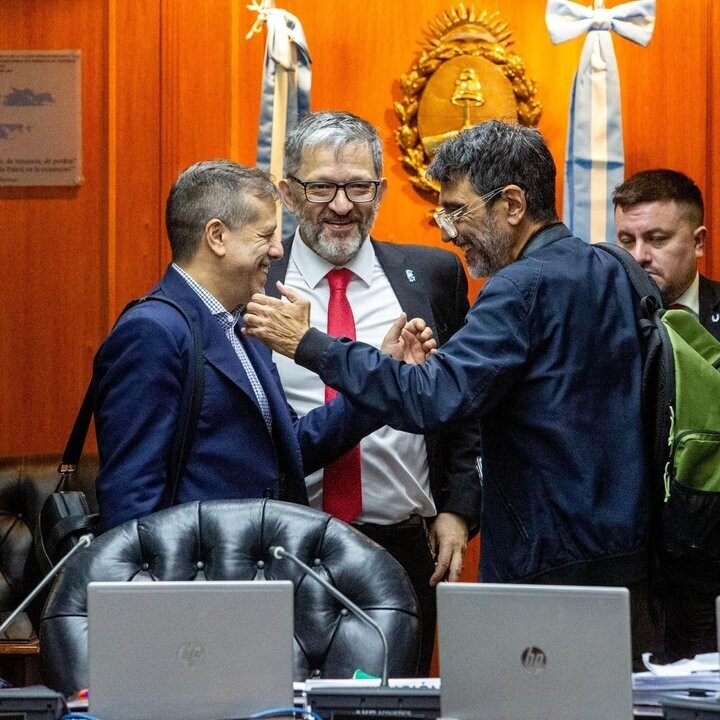
Buenos Aires, November 26 (NA) -- The Bordó List of the Council of Magistrature expressed this Wednesday its "growing concern" over resolutions adopted in the Disciplinary and Accusation Commissions. According to the statement, these resolutions enabled the reception of witness testimonies in cases without prior notification to the involved judges, a situation that, the list warned, violates the right to defense and due process.
According to an investigation by the Argentine News Agency, the statement was released just hours after a close vote in the Disciplinary Commission, which resolved, with the double vote of President César Grau, to reject the nullity plea presented by Judge María Eugenia Capuchetti in the disciplinary proceeding initiated against her by Kirchnerism.
The magistrate had denounced that the investigation had advanced, even with the summoning of witnesses, without her being notified in accordance with Article 11 of the regulations, which obliges informing the investigated judge so that they can exercise their defense.
In that case, councilors Diego Barroetaveña, Agustina Díaz Cordero and María Alejandra Provítola—all three judges—along with Eduardo Vischi and Hugo Galderisi, voted in favor of Capuchetti.
However, they were defeated by the position of Luis Juez, Alberto Lugones, María Inés Pilatti Vergara, Mariano Recalde, and Grau himself, whose deciding vote defined the resolution.
The Bordó List emphasized that in both Capuchetti's case and that of Judge Sandra Arroyo Salgado—investigated for her performance in the case of the attack on Deputy José Luis Espert—witness testimonies were received in processes where the judges had not yet been shown the complaints. This, according to the group, "deprives the magistrates of the ability to exercise their defense and control the evidence".
The sector also warned that in both proceedings, testimonies were taken from people accused of criminal cases filed in the courts where the investigated judges serve, which creates "favorable scenarios for the accused to attempt to improve their procedural situation through false testimonies given before an administrative body".
The group affirmed that it will continue to closely monitor the development of both disciplinary proceedings and that its representatives, Barroetaveña and Díaz Cordero, will continue to demand that the constitutional guarantees and due process of the involved magistrates be respected.